Choosing a small computer for your project can feel confusing. You want something affordable, easy to use and powerful enough to handle your tasks. However, with so many options, it's hard to know which one is worth your money.
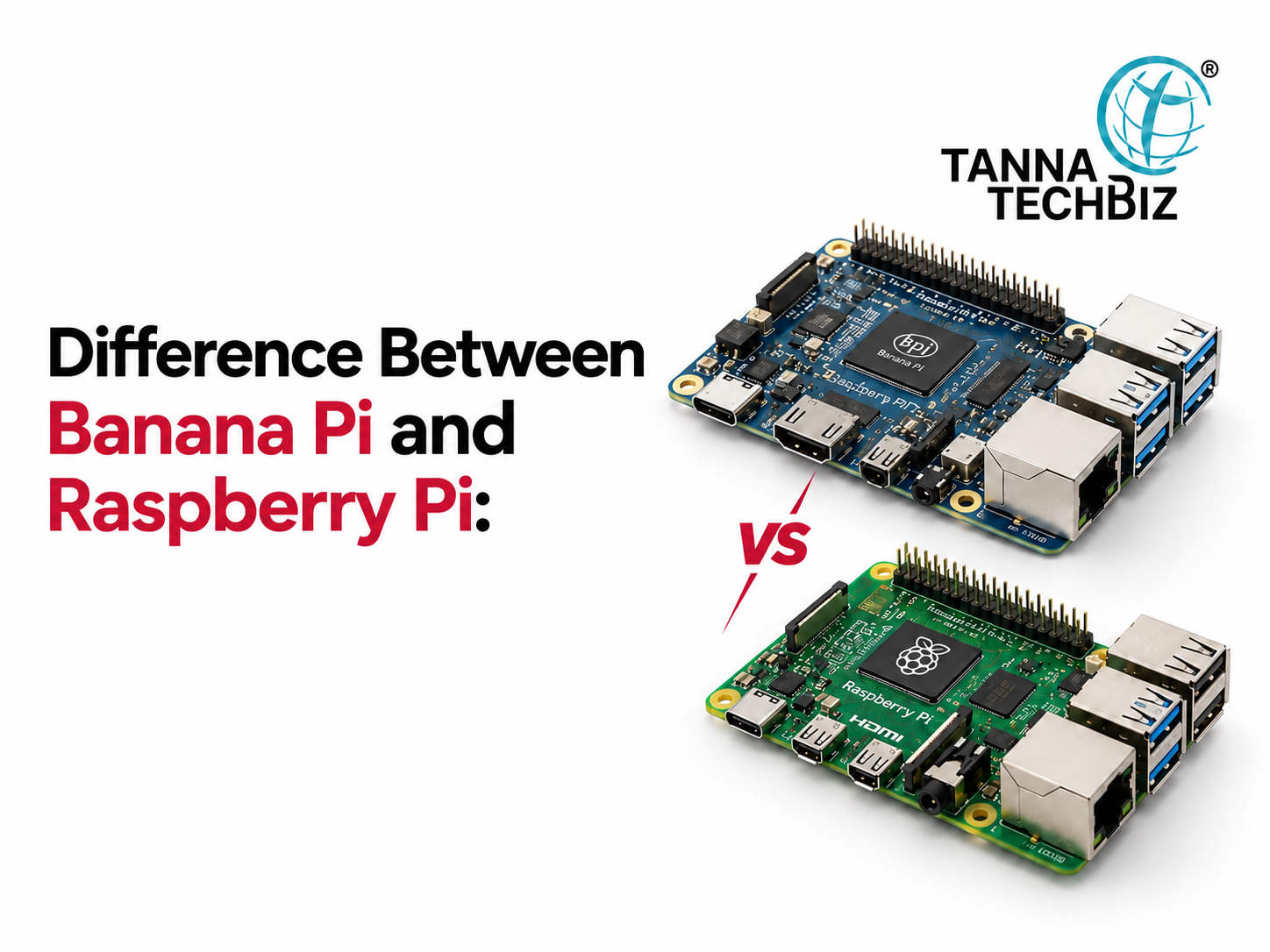
Two popular choices are the Banana Pi board and Raspberry Pi. Both can support coding, automation and electronics projects, but they offer different features. One may suit a beginner learning programming, while the other may work better for networking or storage.
So, before spending your money, it helps to understand what makes these boards different and which one matches your needs.
Two Small Computers With Different Strengths
Both the Banana Pi board and Raspberry Pi can be called compact computers used for studying and developing different projects. But their strengths are not entirely alike. The former platform is well-known because of its wide learning resources and supportive community.
On the contrary, the Banana Pi board has different hardware configurations available in different models. In some cases, you will find additional networking and storage ports that may become essential to your project. Consequently, the choice should depend on your intentions.
Does More Processing Power Mean Better Performance?
Of course, processing power plays an important role but does not matter alone. Each platform offers different processing units and amounts of memory depending on the model. There are some Banana Pi models that provide additional processing features required for a particular project.
However, the software support, ability to cool the board and energy consumption also have an impact on performance. A faster processor will not help you much if the required software will not function correctly. Thus, consider complete specifications instead of processing power only.
Look Beyond the Number of Ports
Connectivity features are very important in building projects. For instance, the models of Raspberry Pi usually provide USB, HDMI, GPIO, and networking ports. They allow creating robotic systems, media players and automations for the home.
Some Banana Pi models provide additional Ethernet and SATA ports that are good for building routers, storage systems, and network servers. So, always pay attention to the exact model before buying it.
Software Support Can Save Hours of Trouble
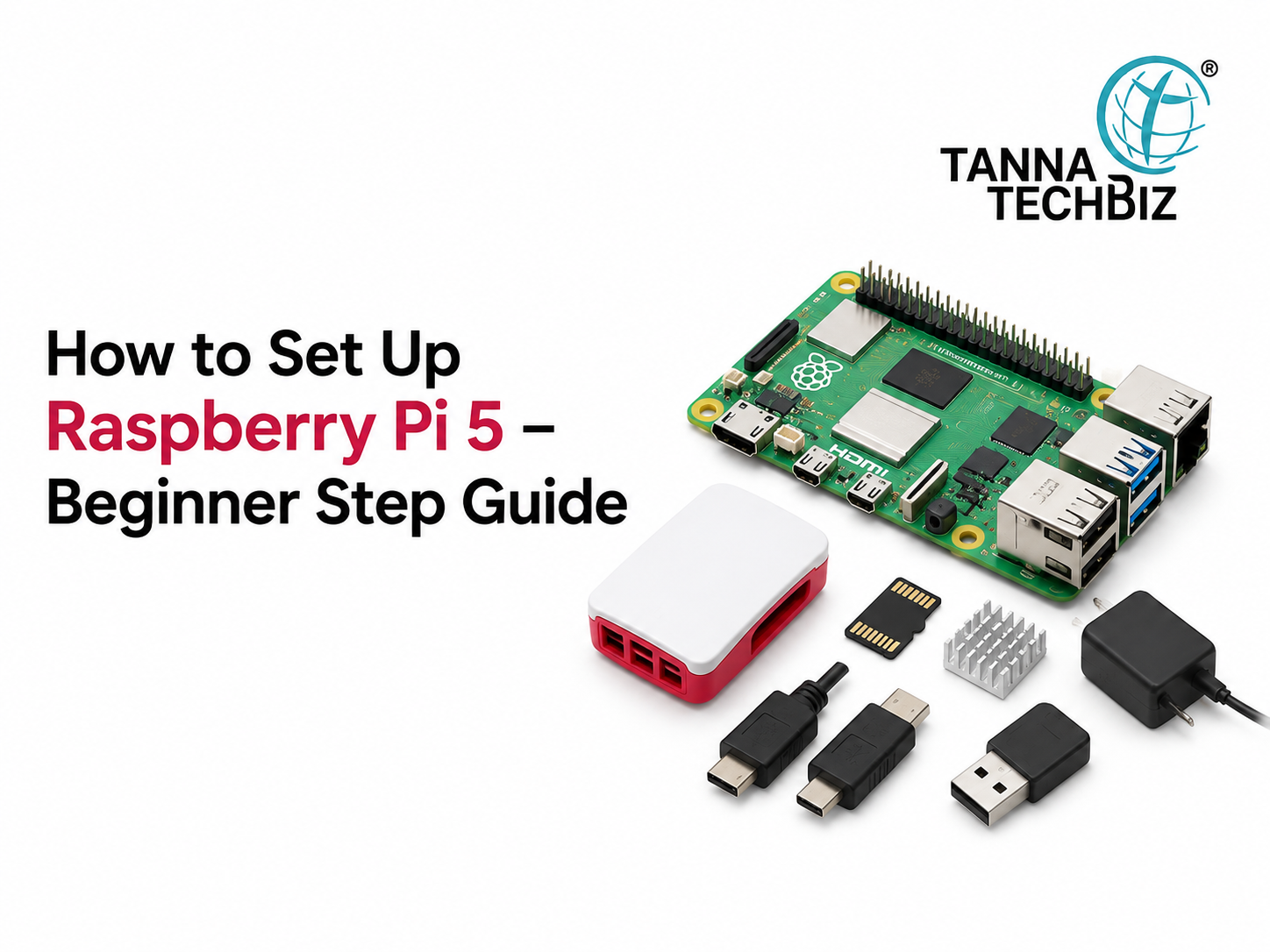
It is useless to have the best hardware when you cannot run the software you require. Raspberry Pi has a vast number of users, comprehensive guides and operating system support, which is why beginners may find it easier to deal with.
Banana Pi also allows running Linux-based systems but compatibility varies depending on the model. Some boards may require additional configuration and special drivers. If you are a beginner in electronics, it will be better to prefer simpler software support.
Conclusion
Your experience and project requirements will decide what platform is the best choice. Banana pi board may be suitable for specialised networking and storage tasks, while Raspberry Pi may be a good choice for learning and general purposes. Tanna TechBiz provides electronics and development boards for different applications.

 October 20, 2026