Building a robot is exciting until it starts bumping into objects or struggles to find its way around. You may have the right motors, software, and processing power, but something still feels missing. Often, the problem comes down to how your robot sees its surroundings. A regular camera captures images, but it doesn't directly tell your robot how far away an object is. That's where depth sensing becomes useful.
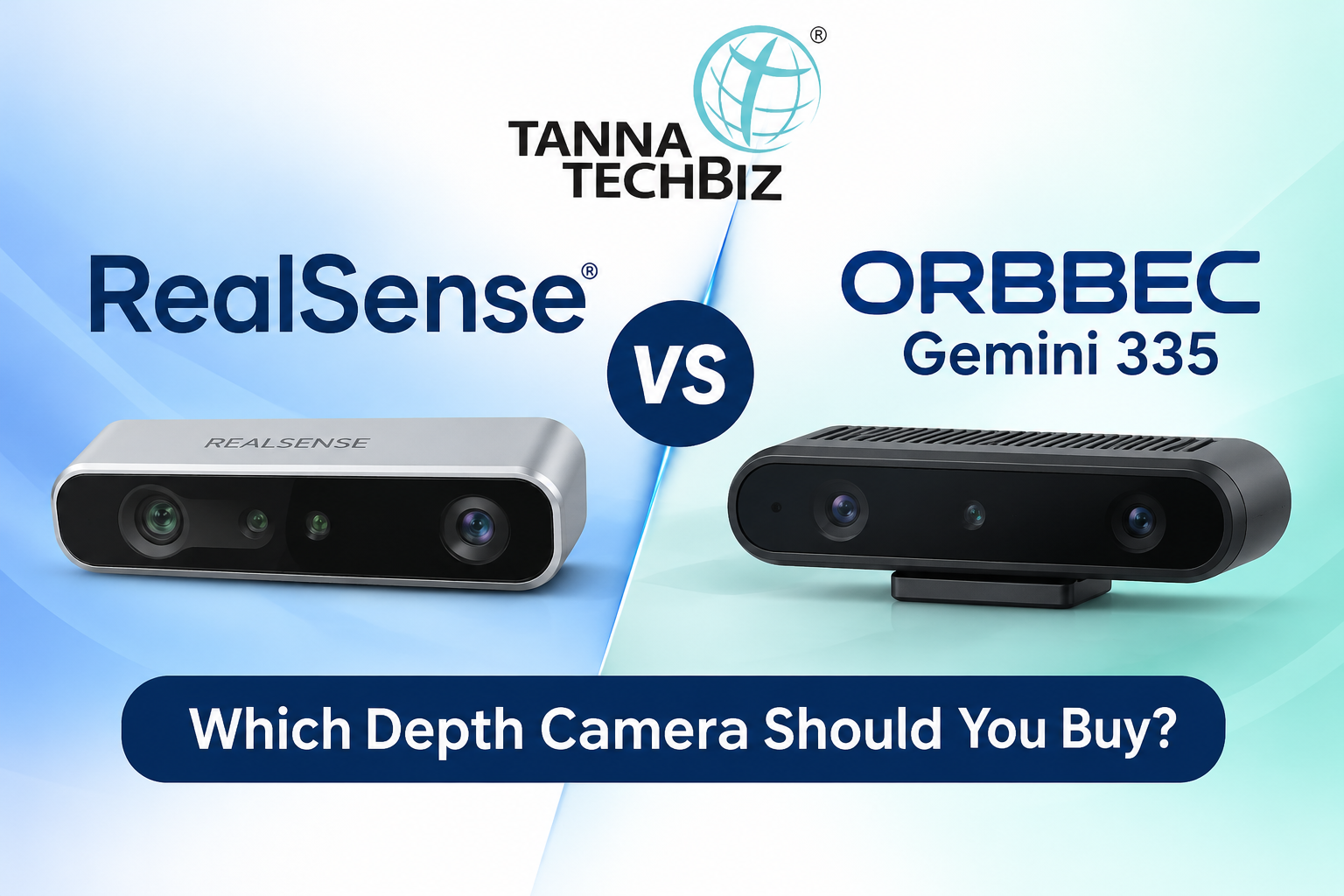
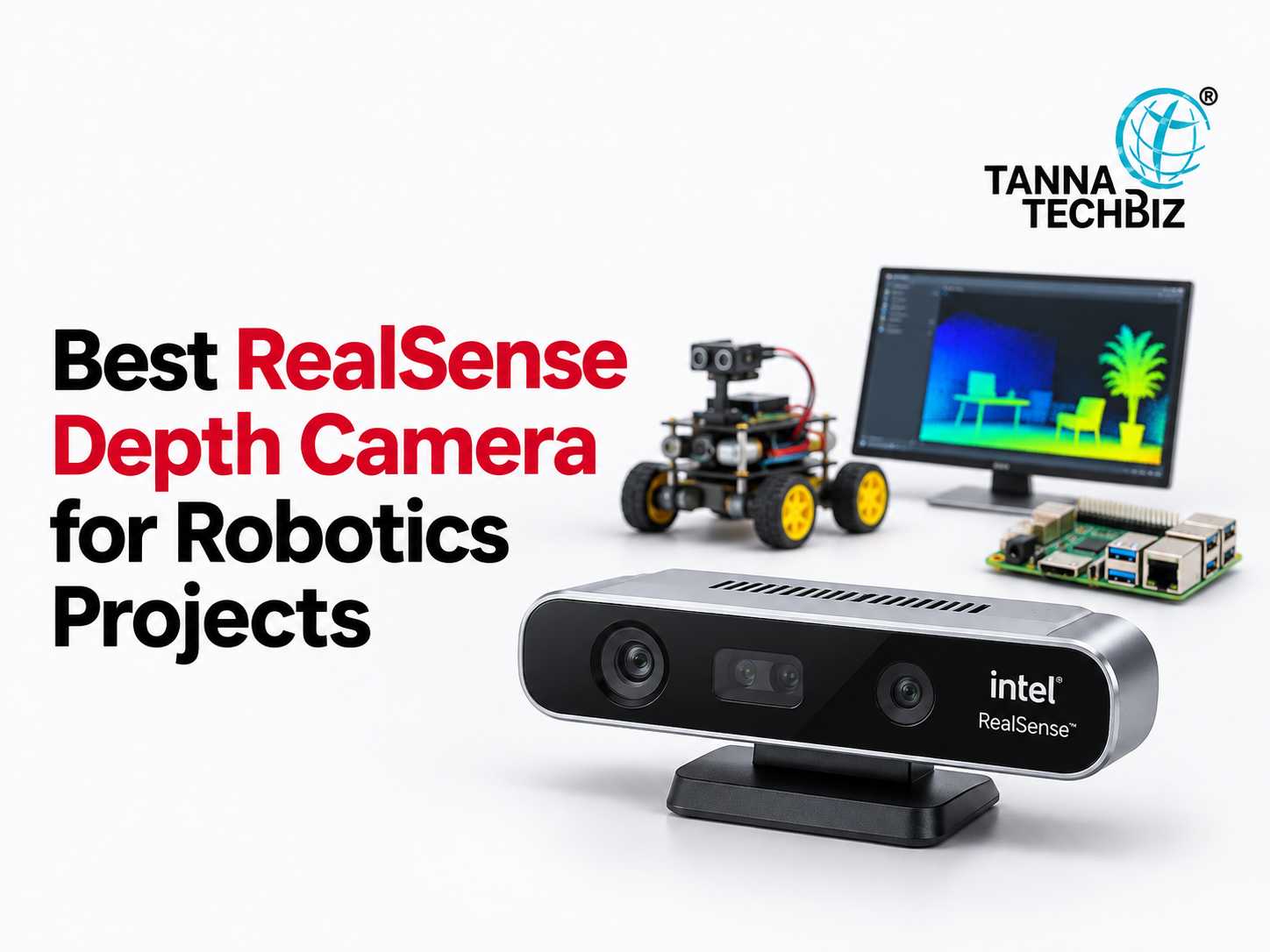
The RealSense D435icombines depth sensing, colour imaging, and motion tracking in one compact device. For developers working on robotics projects, it offers a practical way to improve how robots detect objects and move through spaces.
Why Do Robots Need More Than a Regular Camera?
A robot needs to know distances in addition to recognising objects. For example, a self-driving robot navigating inside a warehouse should recognise obstacles before hitting them, and a robotic arm needs to know the distance to the object it intends to grab. Depth cameras provide 3D information about the environment. Thus, you can use this technology for navigation, object recognition, mapping, and obstacle avoidance. This technology is especially useful for mobile platforms and drones that operate in dynamic environments.
Reasons for Choosing the RealSense D435i
The RealSense D435i uses active stereo depth sensing to measure distances and an RGB camera to take images necessary for object recognition and computer vision tasks. Also, the camera has an inertial measurement unit (IMU) that provides accelerometer and gyroscope data that helps to track movement and orientation through 6 degrees of freedom. Global-shutter depth sensing eliminates possible image distortions due to movement. This is important since the camera might be moving or rotating quickly.
How Does It Perform in Robotics Projects?
Camera performance is crucial since robots need to respond promptly to various situations. The D435i provides depth output with up to 1280 × 720 pixels and up to 90 Hz frame rate in some configurations. Its depth field of view is quite wide, about 87 degrees horizontally and 58 degrees vertically.
Therefore, the camera can capture your surroundings fully. The effective range is about 0.3 to 3 metres under normal conditions, which makes this camera useful for various indoor robotics applications, such as warehouse navigation and object manipulation. However, please keep in mind that actual performance depends on lighting, surface, and other conditions.
Where Can You Use This Depth Camera?
This camera could be useful for a variety of robotics projects, including (but not limited to) navigation, obstacle avoidance, object picking, and spatial mapping, due to depth sensing, colour imaging, and motion tracking capabilities. In the case of mobile robots, you can use depth data to detect obstacles and plan routes, while robotic arms will be able to use depth information to find object positions for picking and placing them.
At the same time, you can combine depth and motion information to perform SLAM (simultaneous localisation and mapping). Moreover, the camera supports gesture recognition, person tracking, and vision research powered by AI.
Finally, the USB 3 connection allows you to connect this camera to compatible robotics computers.
Things to Take into Account Before Buying a Camera
Start by analysing what your robot will be doing. If it operates indoors, needs close-range sensing, and performs motion tracking, then the D435i becomes a good choice.
It is also worth taking a look at software. Since this camera has an SDK that allows you to receive depth, colour, and IMU streams, it works well for ROS and Jetson projects.
If you need longer range or better performance in harsher conditions, consider other sensors like LiDAR.
Creating a Robotics Project with Tanna TechBiz
Understanding the robot's sensor needs makes it easier to choose the right depth camera. The RealSense D435i provides depth imaging and motion tracking in a compact size.
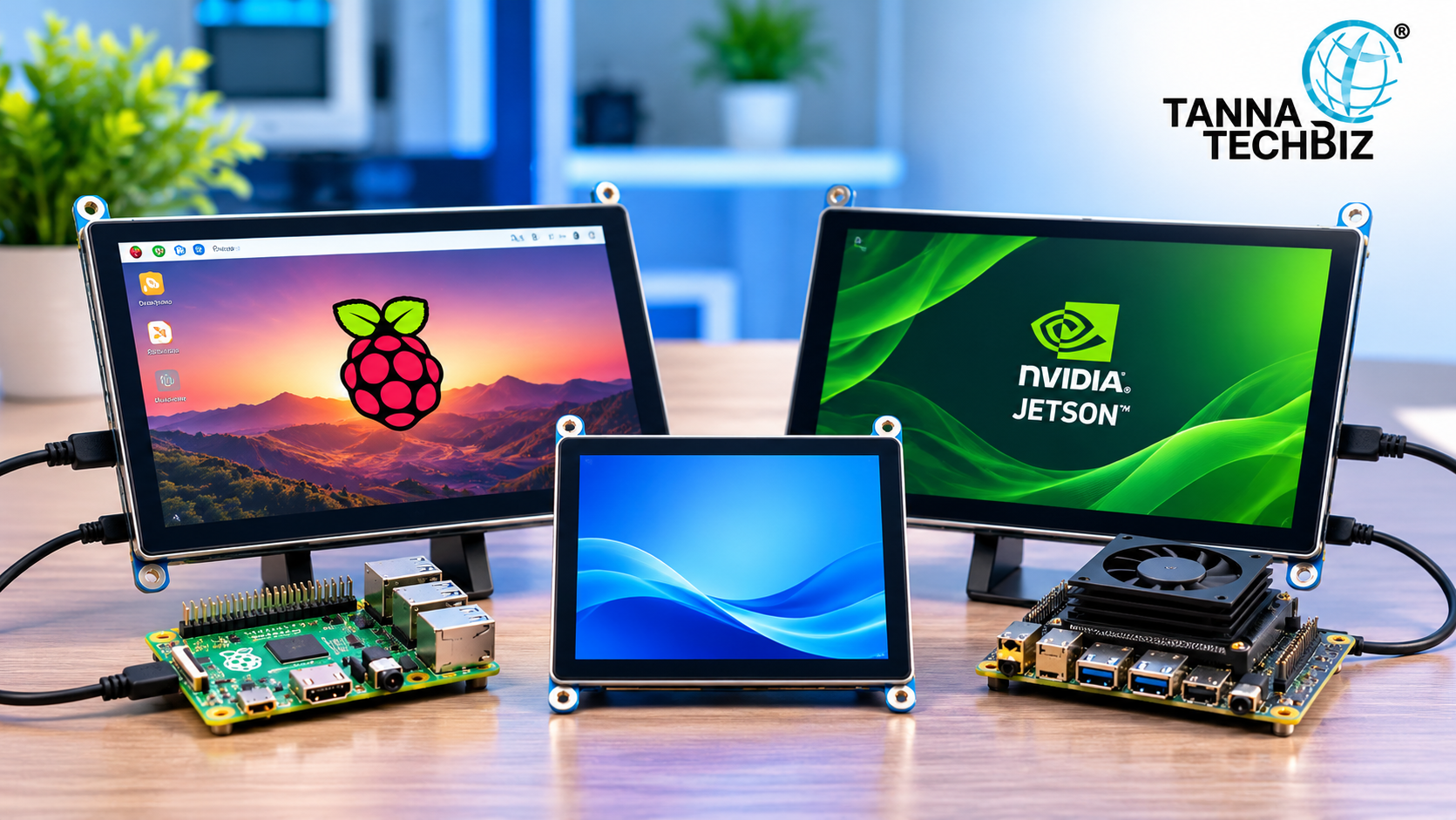
Tanna TechBiz offers depth-camera solutions, robotics components, and embedded AI hardware to help you configure the D435i with Jetson Orin Nano.

 November 26, 2026