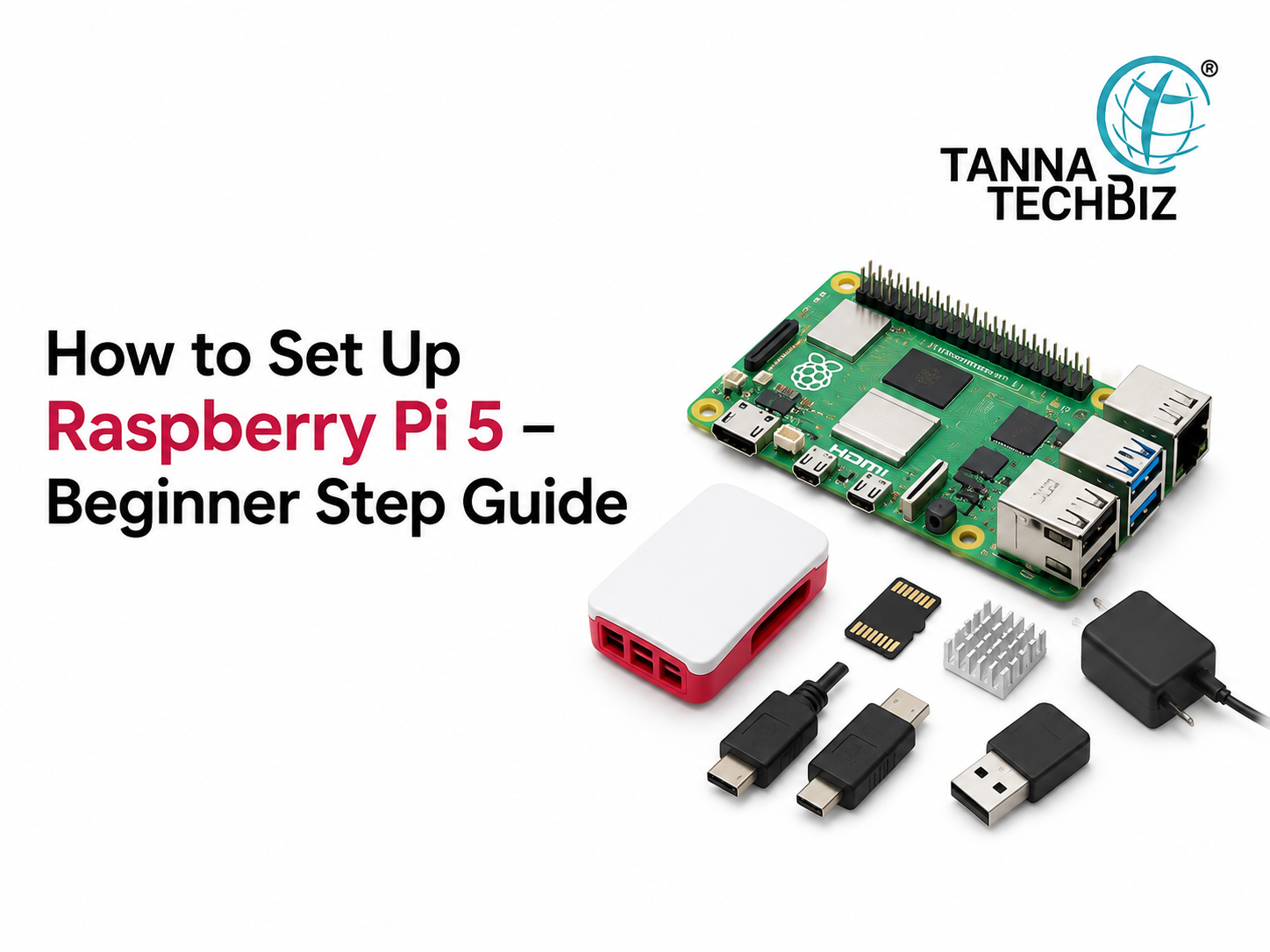
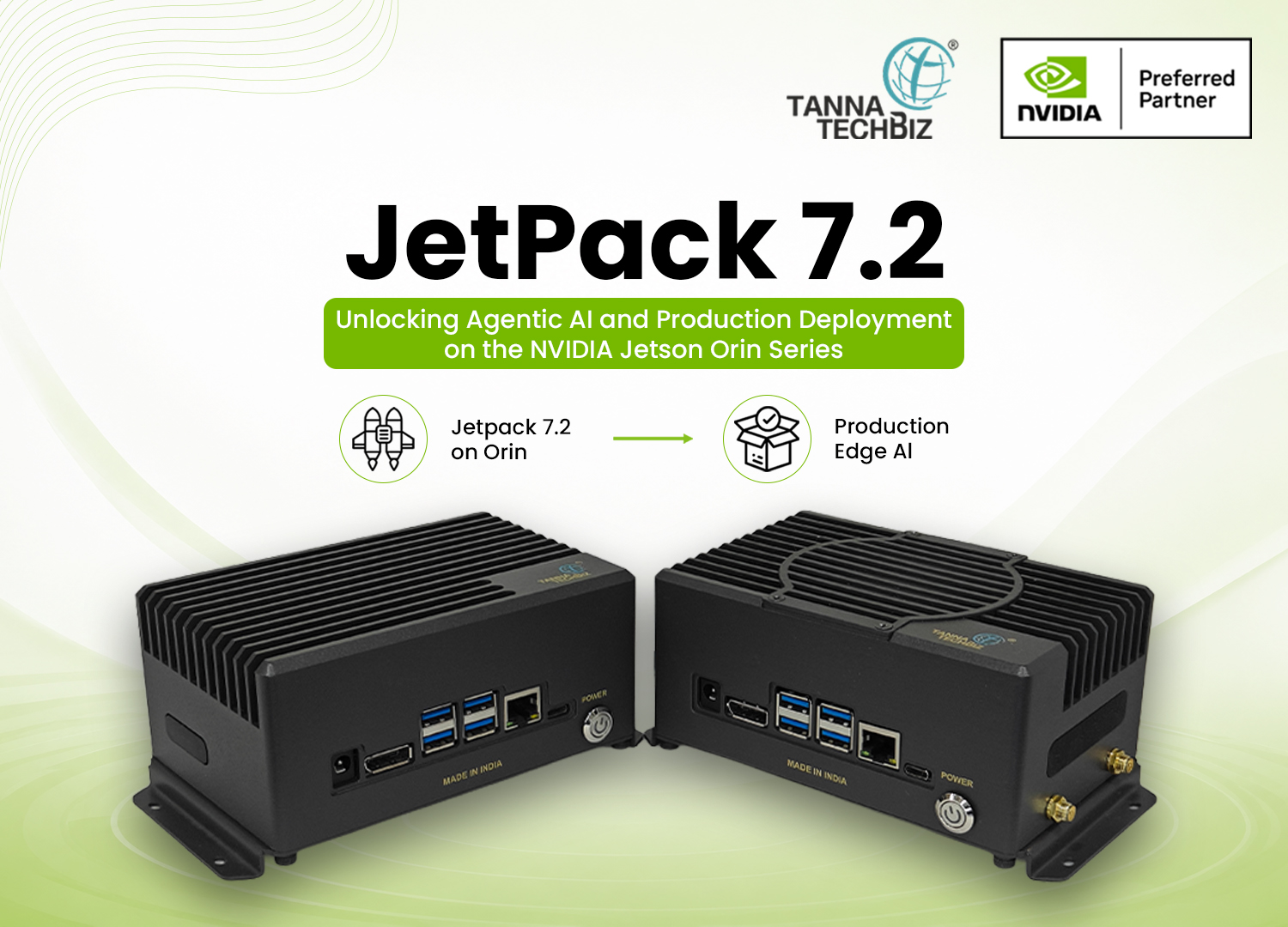
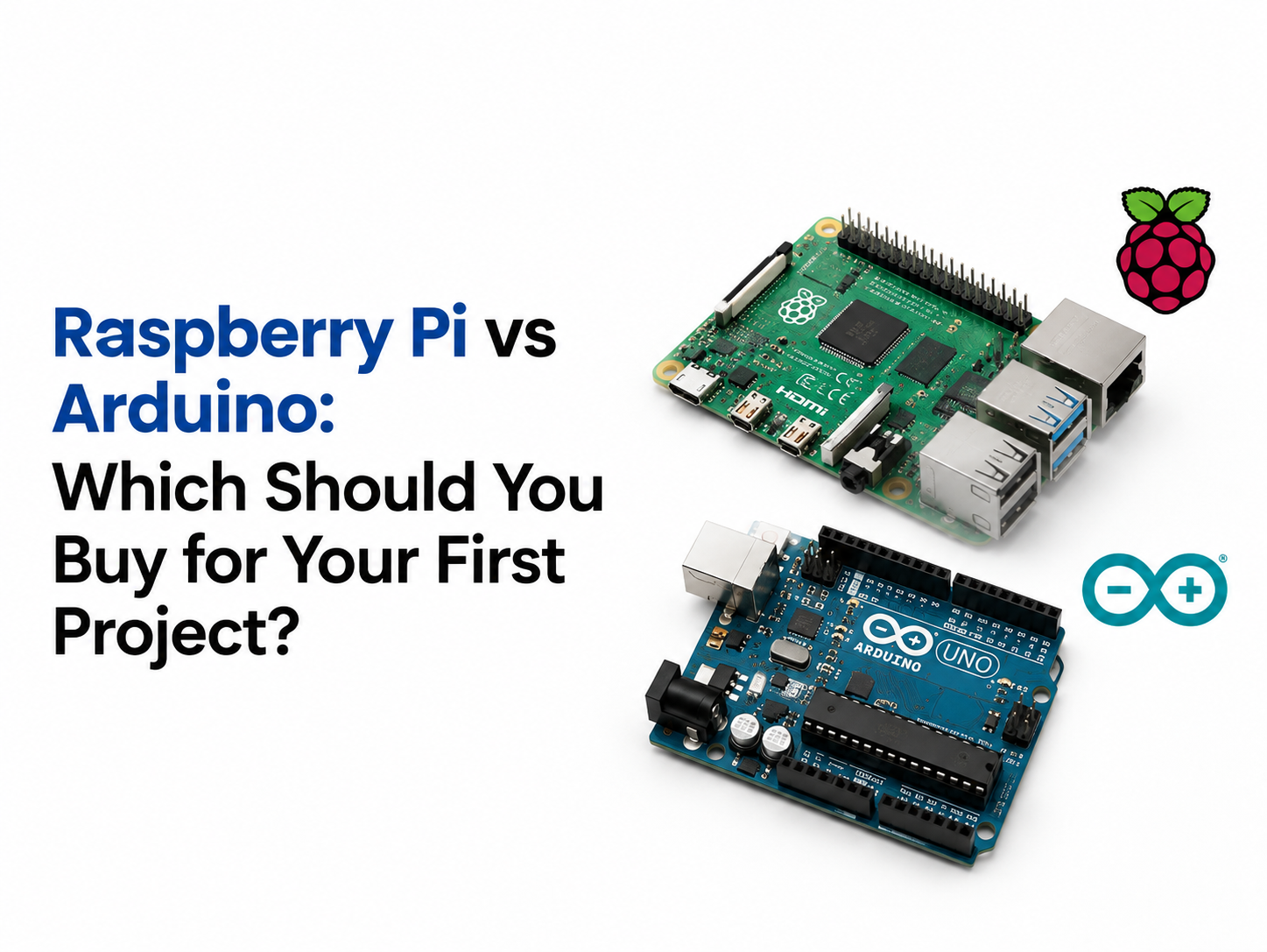
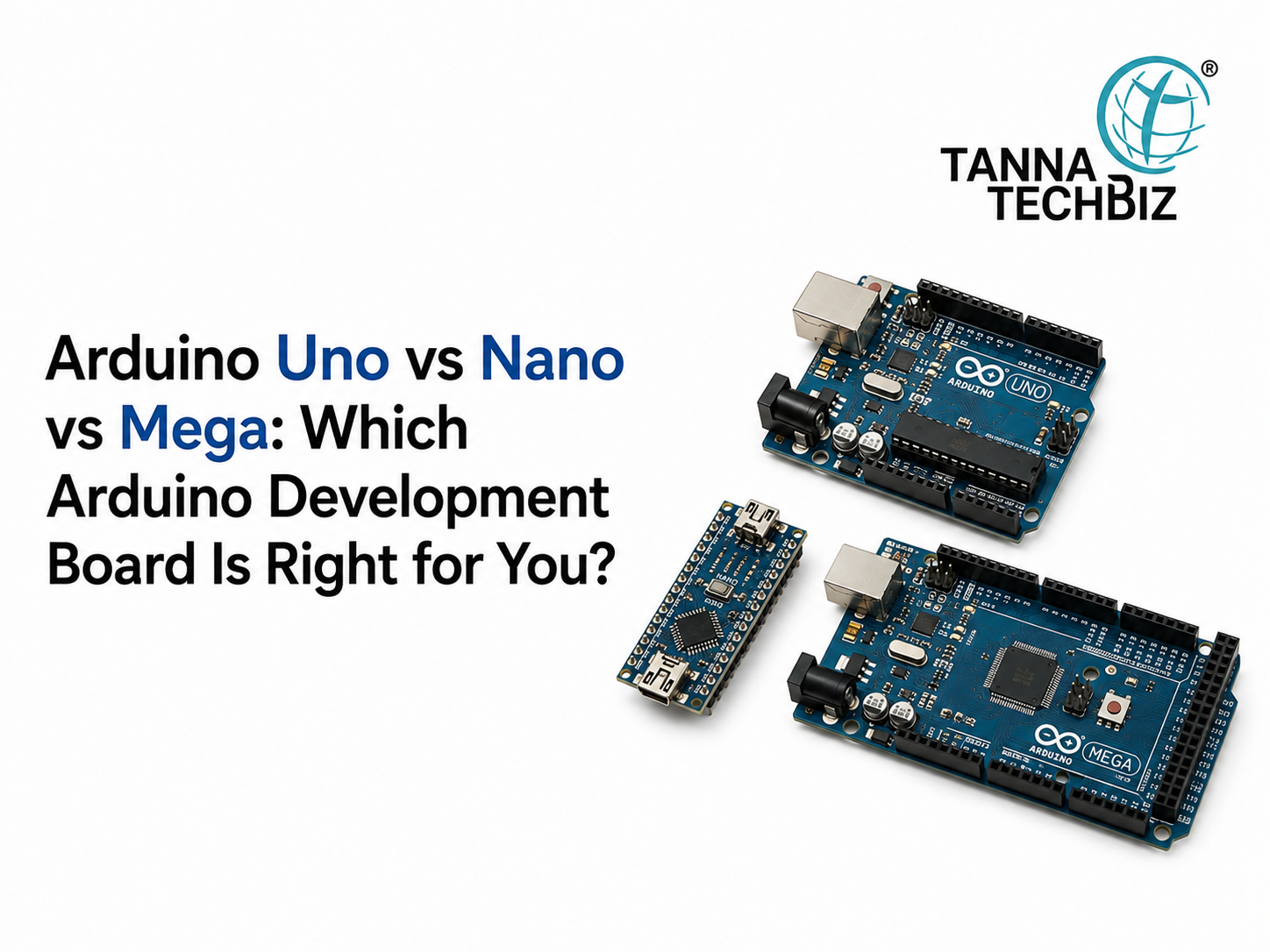
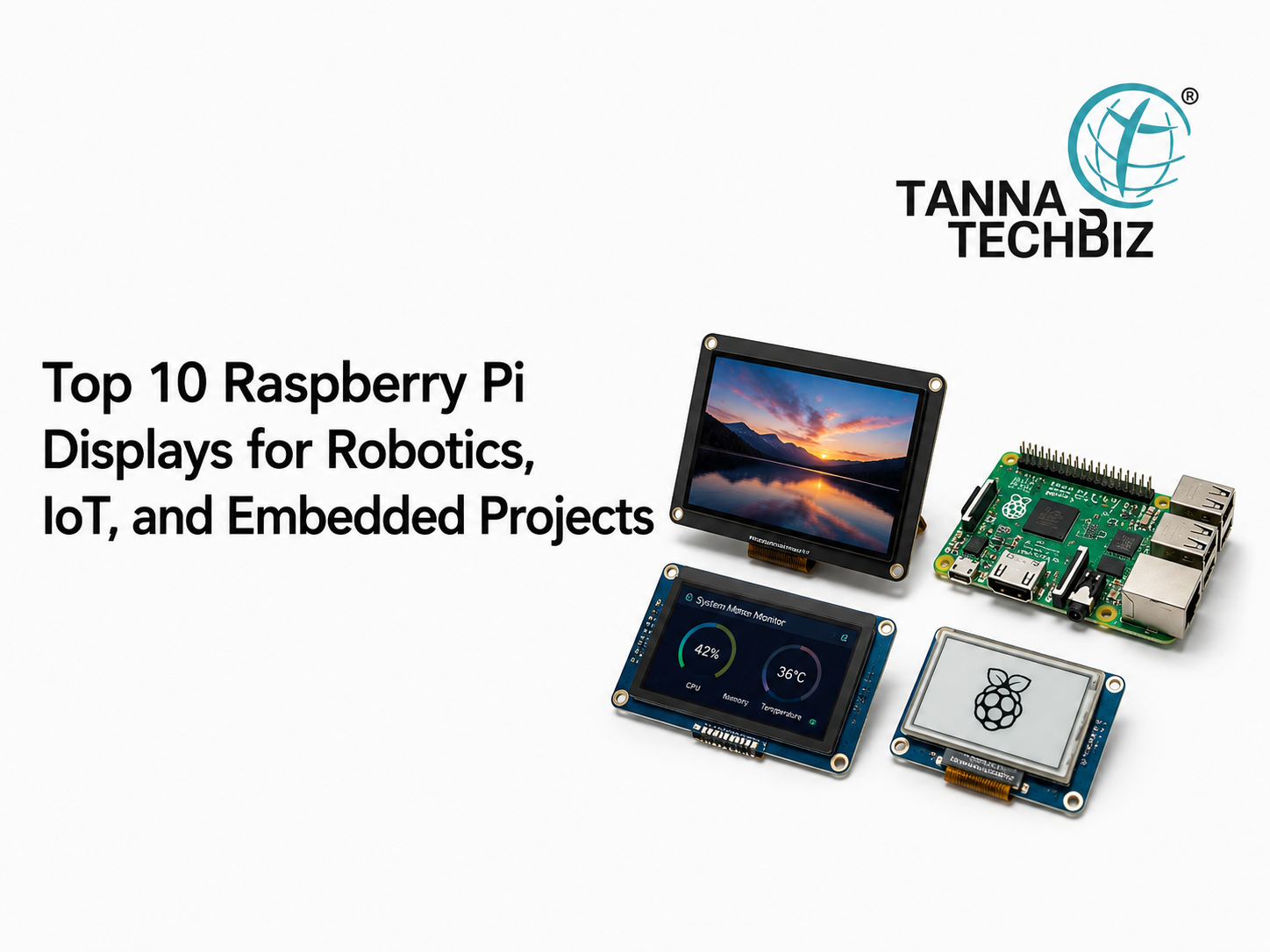
In recent years, the demand for single-board computers has increased significantly, specifically as more individuals explore automation, electronics, and compact computing solutions. Unlike traditional computers, which rely on separate components such as a motherboard, processor, and memory modules, a single-board computer packs all these elements onto one small board. This simple, self-contained design makes it easy for beginners to experiment, learn, and build practical projects without needing deep technical knowledge.
What Is a Single Board Computer?
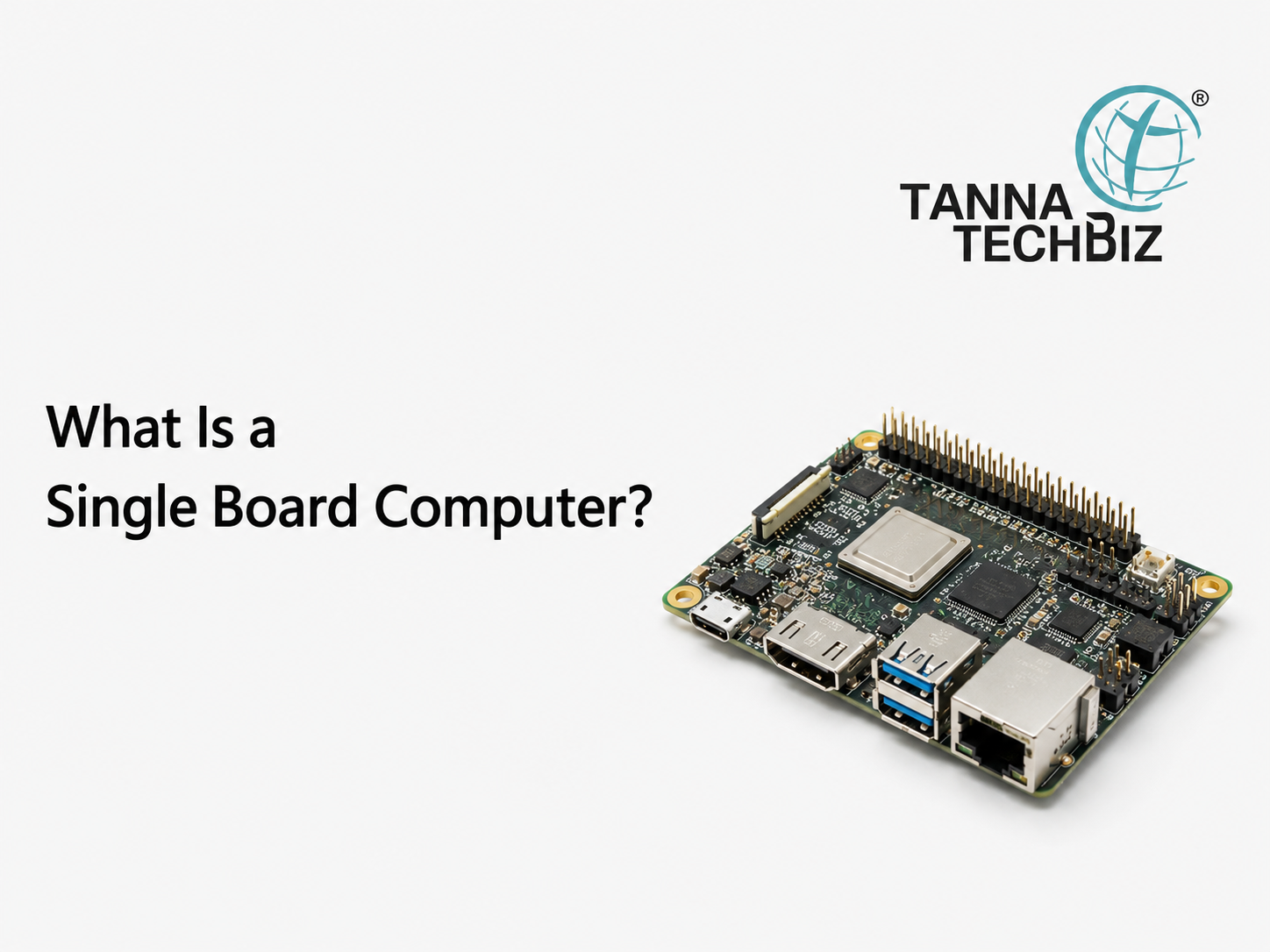
A single board computer, often called an SBC, is a complete computer built on a single circuit board. It typically includes a processor, memory, storage, and input & output ports. Most SBCs are compact, affordable, and energy-efficient, making them ideal for small projects, hands-on learning, and embedded systems.
They are widely used by students, hobbyists, developers, and industries looking for low-cost computing solutions. As everything is integrated onto one board, setup becomes quick and beginner-friendly, simply connecting power, a display, and basic peripherals to get started.
Why Are Single Board Computers So Popular?
One major reason for their popularity is their accessibility. SBCs allow beginners to explore computing and electronics without complicated hardware requirements. Many come with user-friendly operating systems, detailed documentation, and active communities that offer support, tutorials, and troubleshooting help.
Their affordability also encourages experimentation, letting users build multiple projects without a large upfront investment. Combined with their compact size and low power usage, single-board computers are suitable for both simple and long-running applications.
Common Features You’ll Find In Single Board Computers
USB Ports: Allow you to connect keyboards, mice, storage devices, and other peripherals for quick and seamless interaction.
HDMI Output: Lets you connect the SBC to a monitor or TV, making it easy to view interfaces, run applications, or test visual projects.
Wi-Fi or Ethernet Connectivity: Enables network access for updates, remote control, web-based projects, and cloud-based applications.
GPIO Pins: Provide flexibility for connecting sensors, motors, switches, and electronic components, which is ideal for DIY and automation projects.
Bluetooth Support: Helps integrate wireless accessories or connect with other smart devices.
Onboard Storage or SD Card Support: Lets you store your operating system, applications, and project files directly on the board.
Applications Of Single Board Computers
Home Automation Systems: Used to control lights, appliances, security devices, and IoT-based home setups.
Media Centers: SBC can be your personal entertainment hub for streaming music, videos, and movies.
Educational Tools: Ideal for teaching programming, electronics, and robotics in a hands-on way.
Robotics Projects: Power small robots, drones, or automated machines that require flexible processing capability.
IoT Devices: Serve as the brains behind smart sensors, data collectors, and remote monitoring tools.
Industrial Applications: Used for equipment monitoring, data logging, machine control, and embedded systems in professional environments.
In Summary
Single-board computers offer an easy and affordable entry point for beginners to explore computing and build creative projects. With their compact design, versatile features, and wide range of uses, they provide a strong foundation for both simple experiments and advanced applications. Explore and shop single board computers at Tanna Techbiz today!

 September 15, 2026