Single-board computers have become surprisingly powerful over the last few years. What once felt like tiny hobby gadgets can now run servers, media centers, smart automation systems, and even lightweight AI projects.
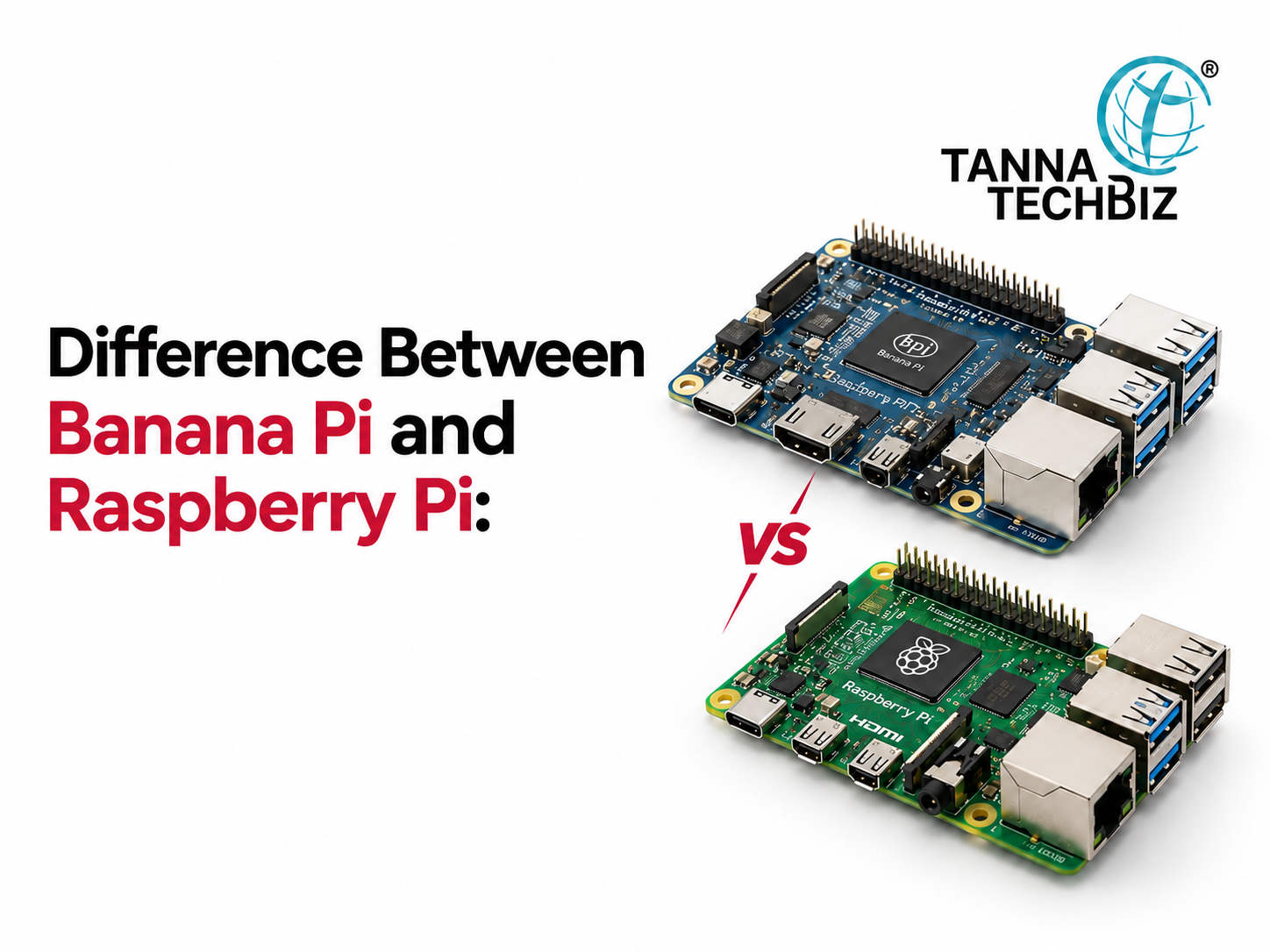
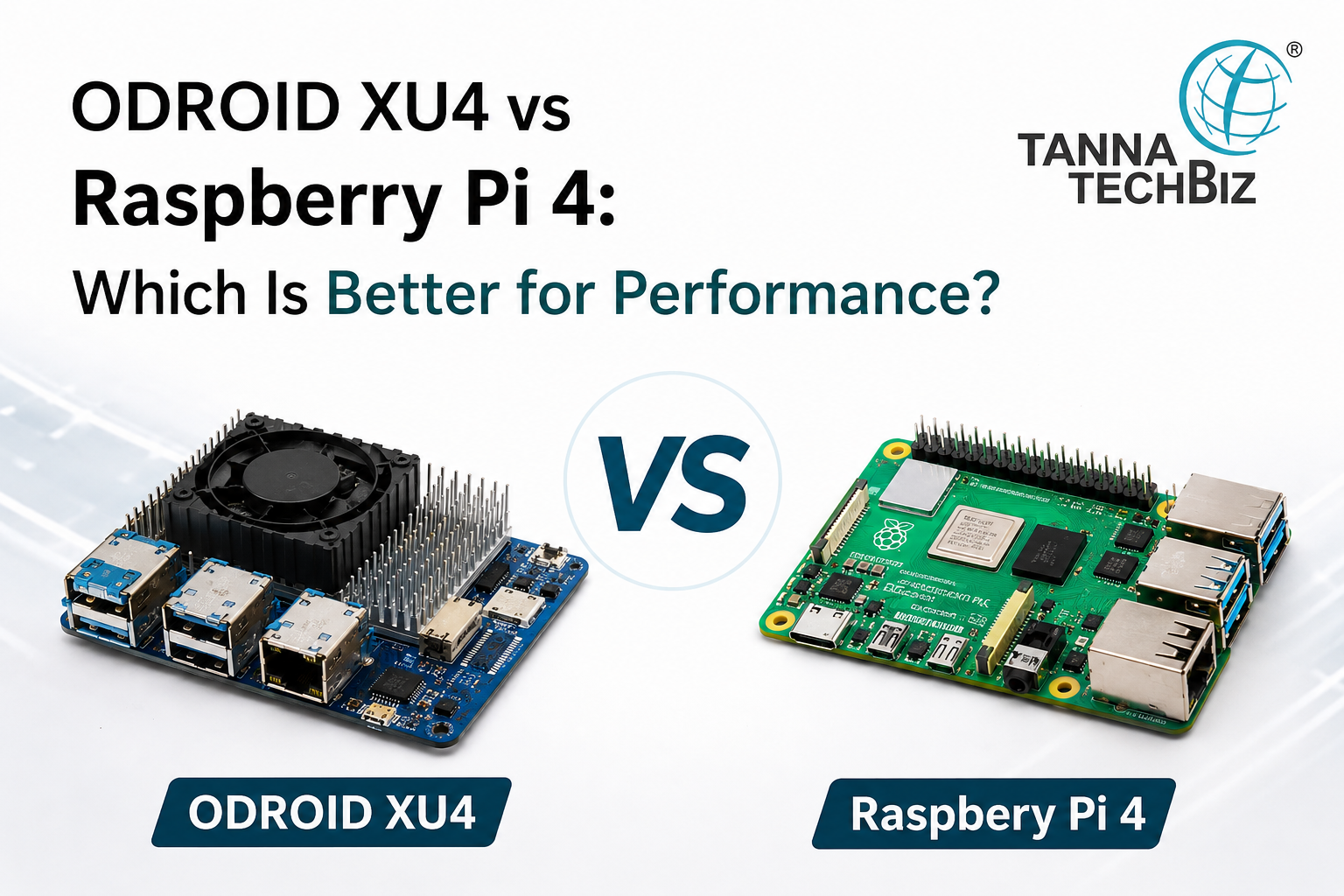
Two names constantly pop up in performance discussions: ODROID XU4 and Raspberry Pi 4.
Both boards have loyal fans. Both can handle serious workloads. But when people compare ODROID XU4 vs Raspberry Pi 4, performance usually becomes the deciding factor.
Processing Power: Raw Speed Matters
The ODROID XU4 has always had a reputation for speed. It uses Samsung’s Exynos processor with a big.LITTLE architecture, which sounds technical, but the real-world result is simple: fast multitasking and solid responsiveness.
Still, the Raspberry Pi 4 fights back with better optimization and a stronger software ecosystem. Many applications are designed specifically around Pi hardware, which helps overall stability.
Heat and Cooling
One thing people quickly notice during the ODROID XU4 vs Raspberry Pi 4 debate is temperature control.
The XU4 includes an onboard cooling fan right out of the box. Some users love that because it keeps temperatures lower during heavy workloads. Others dislike the fan noise. The Raspberry Pi 4, meanwhile, often needs extra cooling accessories during demanding tasks. Push it hard without a heatsink or fan and temperatures climb fast.
Community and Ease of Use
Performance isn’t just about benchmark numbers. It’s also about how easy the board feels during everyday use.
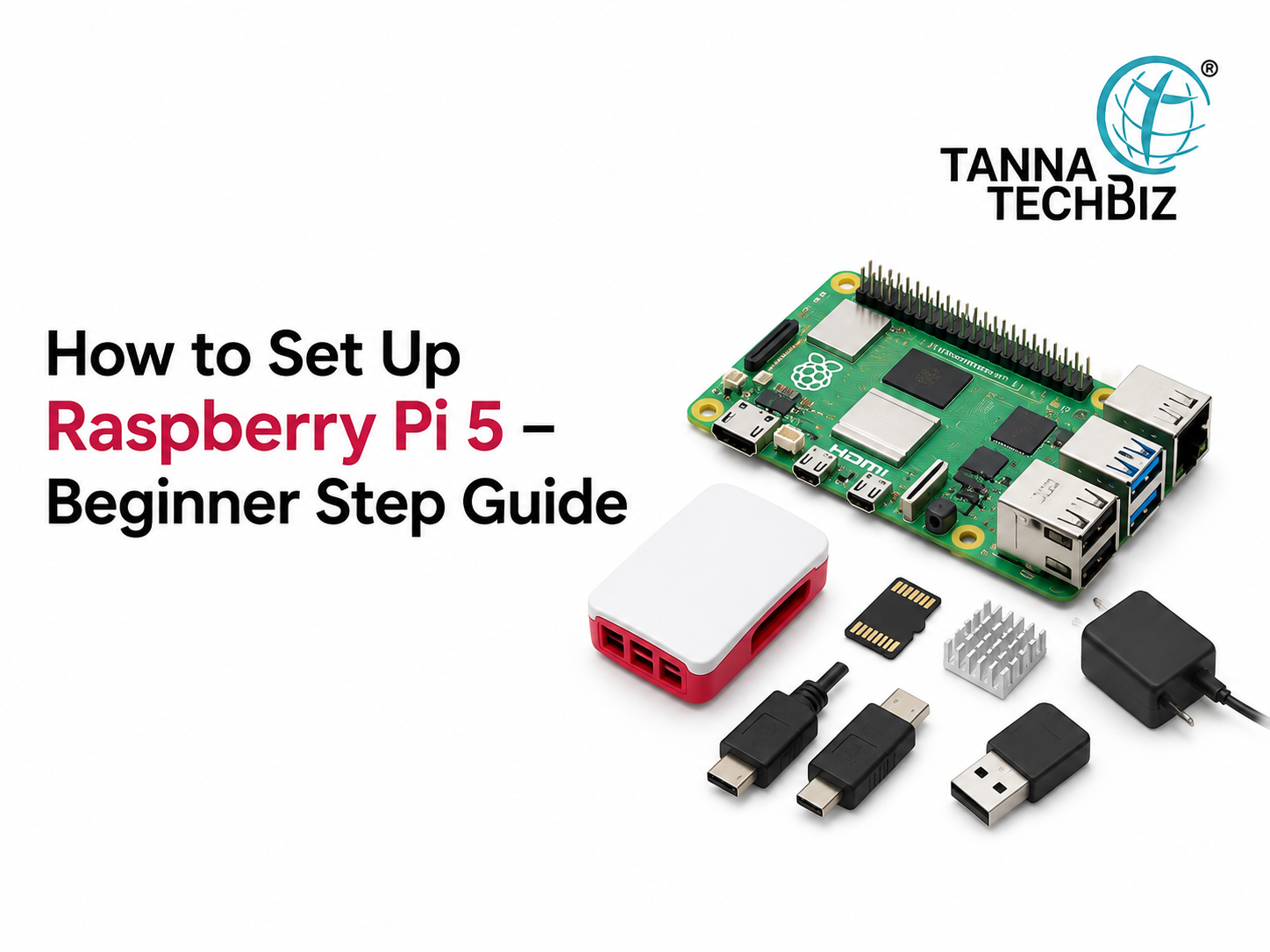
The Raspberry Pi community is massive. Tutorials are everywhere. Troubleshooting becomes easier because someone online has probably faced the same issue already.
Trying your first SBC can feel a bit like riding a geared bicycle after years on a simple one-speed cycle. A college student once described buying his first Raspberry Pi as surprisingly comfortable because guides were available for almost everything. With the ODROID XU4, he had to figure out a few extra things himself, but he enjoyed the added control once he got used to it.
Which One Wins?
If raw speed and active cooling matter most, the ODROID XU4 remains impressive even today. But if you want broader support, easier setup, and long-term flexibility, the Raspberry Pi 4 still feels more beginner-friendly.
The best choice depends on what you actually plan to build.
About the Brand
Tanna TechBiz offers advanced development boards, AI systems, and embedded computing solutions for developers, engineers, and tech innovators. Their platform helps users explore high-performance hardware for automation, prototyping, edge AI, and modern computing projects.

 October 20, 2026