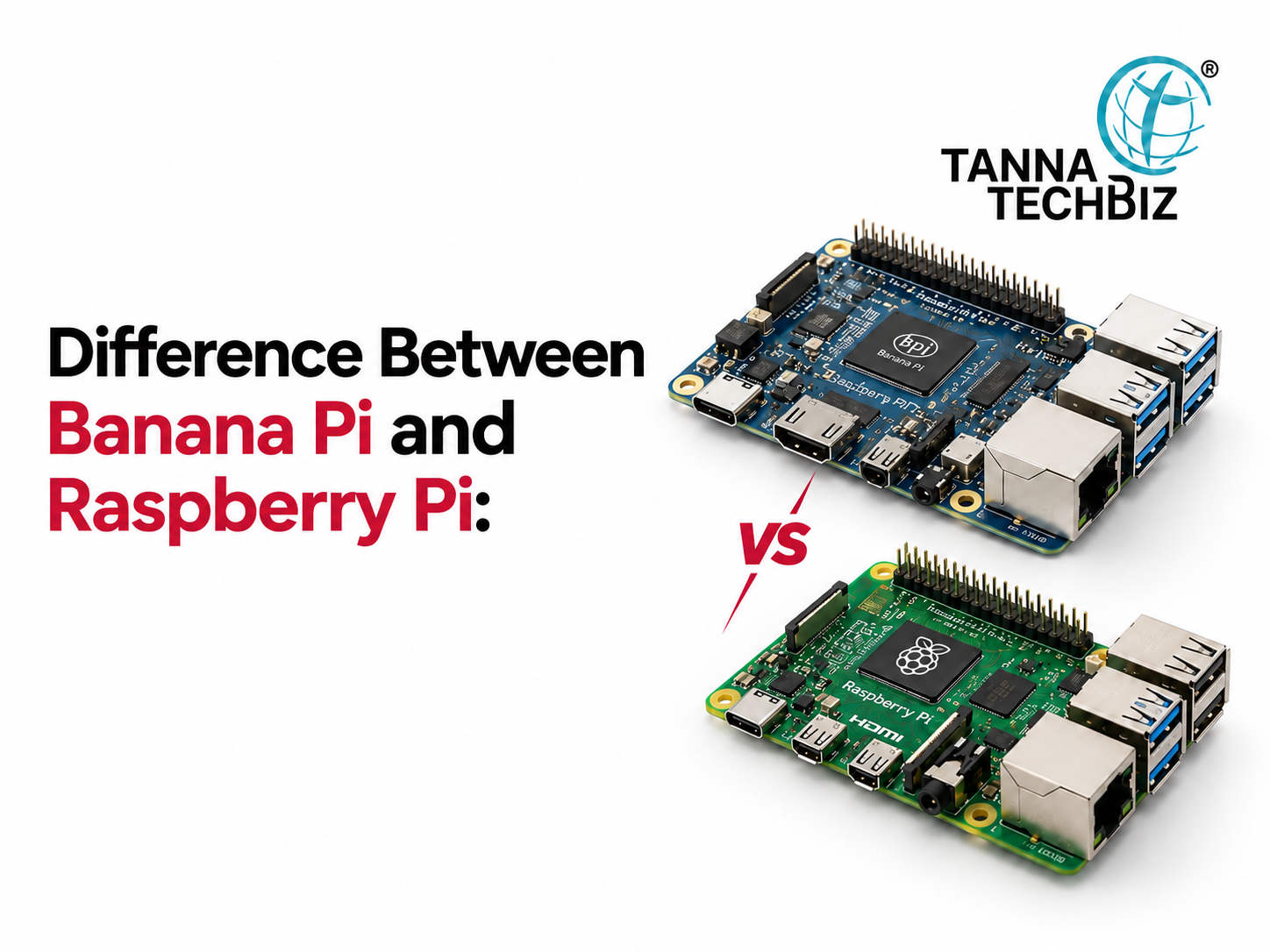
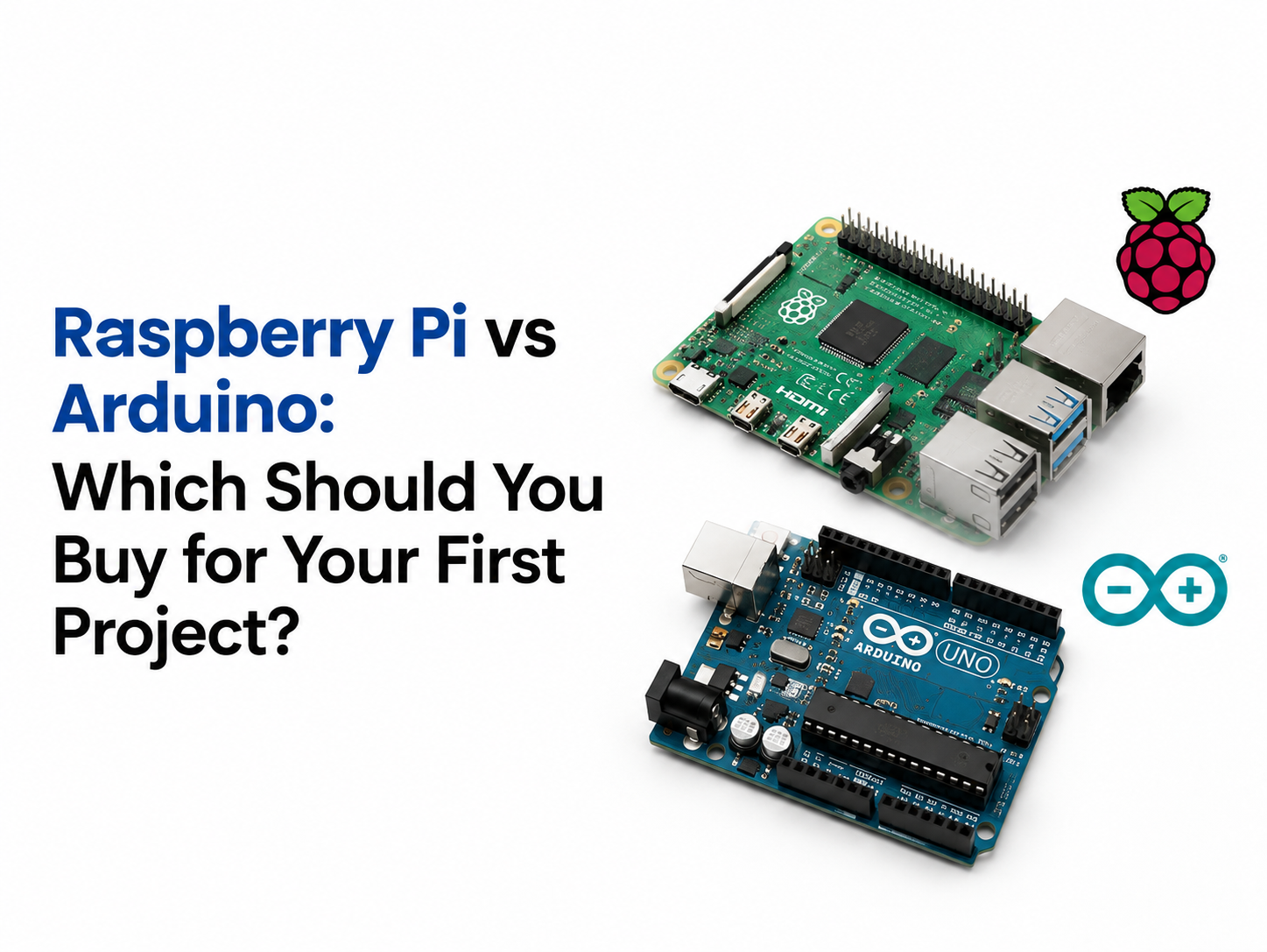
Single-board computers have changed how hobbyists and engineers experiment with technology. These compact devices can power media centers, automation systems, AI prototypes, and even small servers. While many people immediately think of the popular Raspberry Pi 4, several alternatives have entered the market offering competitive performance.
One interesting option comes from Banana Pi. Their boards often attract developers who want strong hardware and flexible configurations without spending too much.
Real-World Performance
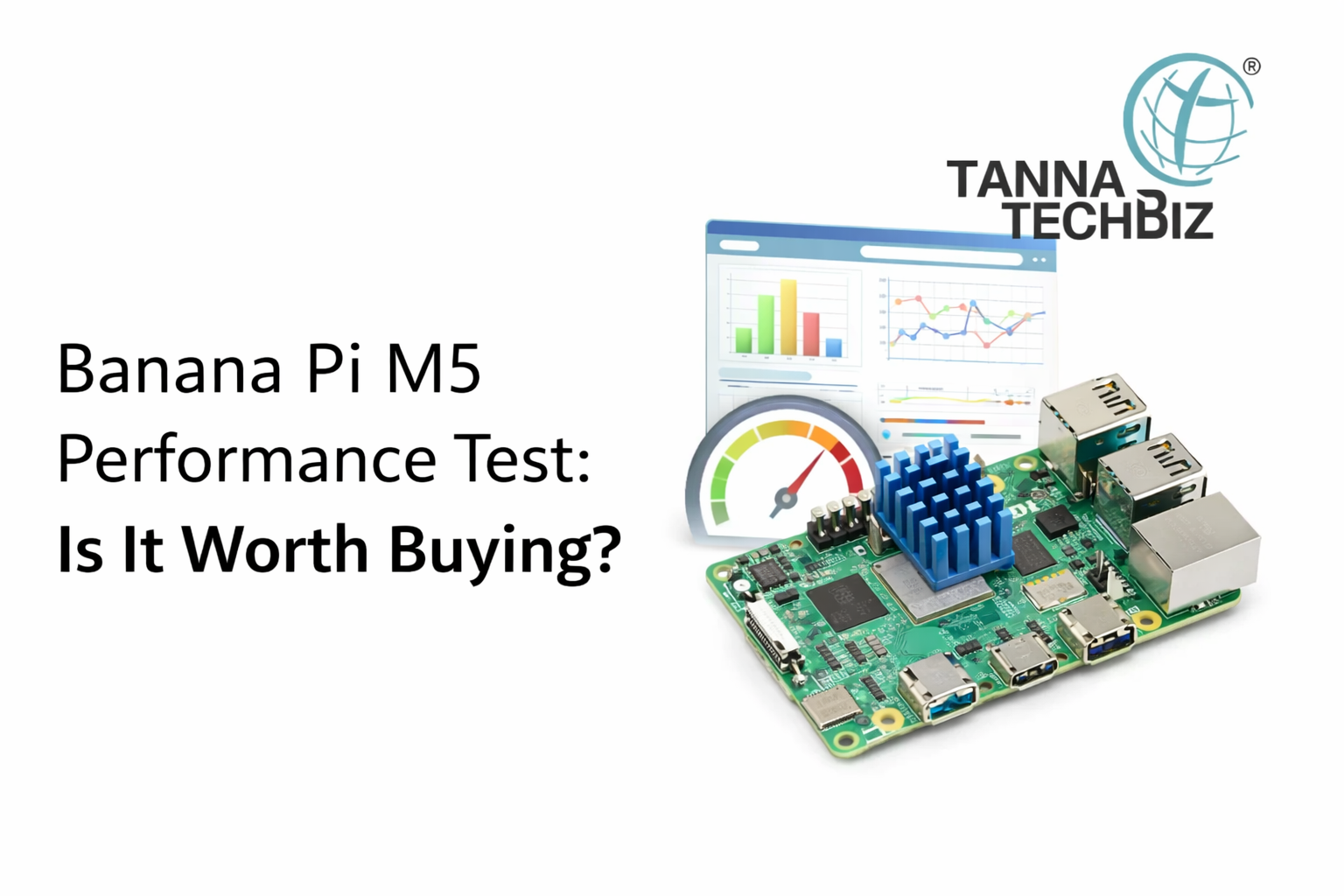
A proper Banana Pi M5 performance test usually focuses on processing speed, storage performance, and multitasking ability. The board runs on the Amlogic S905X3 processor and includes 4GB RAM, which gives it enough power for tasks like media streaming, lightweight server hosting, and IoT development.
A developer named Karan once ordered the board online after struggling to find a Raspberry Pi during a supply shortage. His goal was simple: build a home automation hub. At first, he expected it to be a temporary solution. But after running several tests, file transfers, media playback, and sensor data monitoring, the results surprised him. The Banana Pi M5 handled multiple tasks smoothly without noticeable lag.
Sometimes expectations change once real testing begins.
Storage and Boot Speed
Another area where the Banana Pi M5 performs well is storage. It supports eMMC storage, which is faster and more reliable than standard microSD cards used in many SBC setups.
During a small benchmarking experiment, Karan noticed his system booted significantly faster when using eMMC. That may sound like a small detail, but when you reboot devices often during development, it makes a real difference.
Connectivity and Everyday Use
Connectivity also plays a major role in performance testing. The board includes:
Gigabit Ethernet for stable networking
USB 3.0 for high-speed peripherals
HDMI output supporting 4K video
These features make the Banana Pi M5 practical for projects like media servers, smart displays, and network monitoring tools.
Trying a new development board can sometimes feel like assembling a gadget for the first time. A developer once shared that when he first powered up his Banana Pi M5, he expected hours of troubleshooting, driver issues, slow setup, maybe even failed boots. Instead, the board started smoothly, the system installed quickly, and within an hour he had a small media server running.
That kind of experience surprises many beginners. You prepare for complications, but the hardware simply works and fits naturally into your project workflow.
Is It Worth Buying?
Based on most Banana Pi M5 performance test results, the board offers solid processing power, fast storage options, and reliable connectivity. For developers, hobbyists, and small-scale system builders, it can be a capable alternative in the SBC market.
Tanna TechBiz provides advanced development boards, embedded AI systems, and hardware platforms for engineers, innovators, and technology enthusiasts. Through their platform, users can access modern computing solutions designed for AI development, embedded systems, and high-performance prototyping.

 October 20, 2026